
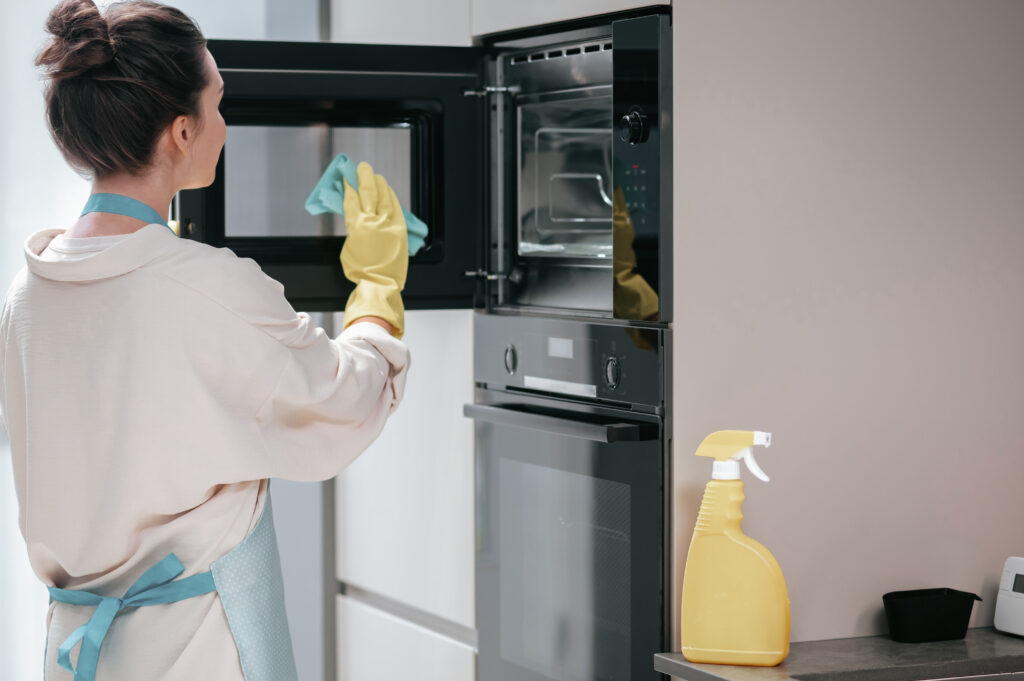
Why Your Fridge Can Become a Breeding Ground for Germs
A refrigerator is one of the most used appliances in every household. It keeps food fresh, preserves leftovers, and protects perishable items from spoiling. Yet, it’s also one of the most neglected areas when it comes to regular cleaning. Many people assume that the cold temperature prevents bacteria from growing, but that’s only partially true.
Inside a fridge, spills, condensation, and forgotten food create the perfect environment for bacteria, mould, and odour-causing microorganisms. Moisture and temperature fluctuations—especially in overcrowded or poorly maintained fridges—allow microbes to thrive.
Common Bacteria Found Inside Refrigerators
Several studies have shown that refrigerators often contain harmful microorganisms such as E. coli, Salmonella, Listeria monocytogenes, and Staphylococcus aureus. These bacteria can survive in low temperatures and contaminate nearby food, especially raw meat, dairy, and unwashed vegetables.
How Spoiled Food and Moisture Create Hygiene Issues
Spoiled or expired food is a major contributor to bacterial growth. Even a small spill from meat juice or decayed vegetables can spread pathogens across shelves. Combined with constant humidity, it becomes a breeding ground for contamination that may not be visible to the naked eye.
Keeping the fridge organised and clean is not only about appearance—it’s about preventing health risks associated with cross-contamination.
Health Problems Linked to a Dirty Fridge
The condition of your fridge can directly affect your health. When bacteria and mould multiply, they can contaminate food and release toxins that are dangerous when consumed.
Food Contamination and Stomach Infections
Cross-contamination is the biggest risk. If raw meat, fish, or vegetables touch ready-to-eat items like cheese or fruit, harmful bacteria can transfer easily. Consuming contaminated food may lead to nausea, vomiting, diarrhoea, or severe food poisoning.
In extreme cases, bacteria like Listeria can cause serious infections, especially in pregnant women, infants, and elderly people.
Allergic Reactions from Mould and Bacteria Buildup
Mould is not just an aesthetic issue. When it grows on fridge seals, trays, or around door gaskets, it releases spores that can trigger allergies, headaches, and respiratory irritation. Continuous exposure can worsen symptoms for those with asthma or weakened immune systems.
How Often Should You Clean Your Fridge?
There is no single rule that fits all households, but frequency depends on usage and the amount of food stored. Generally, deep cleaning your fridge every three to four months is recommended, along with weekly spot checks.
Professional vs. DIY Fridge Cleaning Frequency
A quick DIY wipe-down is helpful for spills or odours, but it doesn’t remove deep-seated bacteria or residue. Over time, even harmless food particles attract mould and pests. Professional cleaning services use disinfectants that are safe for food-contact areas, ensuring deeper hygiene than regular cleaning.
Signs It’s Time to Clean or Call a Professional
- Persistent odours even after cleaning
- Frost or residue buildup on shelves
- Sticky surfaces or mould near door seals
- Visible spills under drawers or vegetable trays
- Food spoiling faster than usual
These signs indicate microbial contamination that requires more thorough cleaning.
Step-by-Step Guide to Keeping Your Fridge Fresh and Safe
Keeping your fridge hygienic is simple if done consistently. The key is to follow a structured cleaning routine.
Step 1: Empty and Inspect Everything
Remove all food items before cleaning. Check expiry dates and throw away anything spoiled, mouldy, or suspicious.
Step 2: Unplug and Defrost if Necessary
If your fridge has frost buildup, unplug it for a few hours to allow ice to melt. This makes cleaning easier and prevents water pooling.
Step 3: Wash Shelves and Drawers Separately
Use warm water mixed with mild detergent or white vinegar. Rinse thoroughly and let them dry completely before putting them back.
Step 4: Clean the Interior Surfaces
Wipe down walls, shelves, and gaskets with a soft cloth dipped in a mixture of baking soda and warm water. Avoid harsh chemicals that may leave residues or odours.
Step 5: Deodorize Naturally
Place a small open box of baking soda or activated charcoal inside the fridge to absorb odours. Replace it monthly for best results.
Step 6: Organize for Airflow
Avoid overcrowding. Proper air circulation helps maintain consistent temperature and prevents bacterial growth. Store raw meats in sealed containers on the lowest shelf to avoid drips.
Benefits of a Clean Fridge for Food Safety and Energy Efficiency
A clean refrigerator doesn’t just reduce health risks—it improves efficiency and food preservation.
- Longer Shelf Life for Food
When surfaces are clean and temperatures remain stable, fruits, vegetables, and dairy last longer. Reduced bacteria levels prevent premature spoilage.
- Reduced Odours and Cross-Contamination
Regular cleaning prevents odours caused by bacteria and mould. It also reduces the chance of flavour transfer between stored foods.
- Improved Energy Efficiency
Dust and grime on condenser coils or inside the fridge can reduce cooling performance. A clean fridge operates more efficiently and consumes less energy.
- Healthier Living Environment
Clean storage areas contribute to better overall hygiene at home. It’s part of maintaining a safe, allergen-free living space.
How Often Should Professional Cleaning Be Considered?
While routine cleaning can be done at home, professional deep cleaning ensures all hidden areas—like coils, vents, and seals—are disinfected. For busy households or shared accommodations, a professional cleaning every six months is ideal.
Professionals use non-toxic solutions that remove bacteria without contaminating food surfaces. They can also inspect for signs of mould, leaks, or malfunctioning parts that might affect fridge hygiene.
Eco-Friendly Methods for Fridge Maintenance
Environmentally conscious cleaning doesn’t require chemicals. Some of the most effective methods use everyday household ingredients.
Vinegar Solution
A 50:50 mix of water and white vinegar kills most bacteria and eliminates odours without leaving toxic residues.
Baking Soda Paste
Mix baking soda with water to scrub stubborn stains or spills. It’s gentle on surfaces and safe around food.
Lemon and Salt for Deodorizing
Lemon juice has antibacterial properties and leaves a fresh scent. Mixing it with salt helps remove grime.
Microfiber Cloths
These reusable cloths trap more dirt and reduce paper towel waste. They’re perfect for sustainable cleaning.
Common Mistakes People Make When Cleaning Their Fridge
Even well-intentioned cleaning efforts can go wrong. Avoid these common errors:
- Using harsh chemicals: Bleach and ammonia can leave harmful fumes and residues.
- Cleaning with hot water on cold surfaces: This can crack glass shelves or plastic trays.
- Neglecting the rubber seal: Door gaskets often trap moisture and become mouldy.
- Ignoring the drip pan: Hidden at the bottom, it collects water that can breed bacteria.
- Not drying surfaces properly: Moisture left behind encourages microbial growth.
How Fridge Hygiene Relates to Whole-House Cleanliness
Your fridge doesn’t exist in isolation. The cleanliness of your kitchen and surrounding areas affects how quickly germs can re-enter. A dirty countertop, unwashed dishcloth, or leaky garbage bin can reintroduce bacteria into the fridge area.
Maintaining clean surroundings helps ensure that food stays uncontaminated after cleaning. Regular house cleaning, especially in kitchens and bathrooms, reduces cross-infection from other surfaces.
When to Replace Parts or Seek Maintenance
If odours persist or food spoils quickly even after cleaning, the issue might not be dirt—it could be mechanical.
- Damaged door seals: These allow warm air in, creating condensation and mould.
- Blocked air vents: Uneven cooling causes hotspots where bacteria thrive.
- Faulty thermostats: Temperatures above 5°C promote bacterial growth.
Periodic maintenance ensures hygiene and performance remain consistent
Conclusion: A Clean Fridge Means a Healthier Home
A refrigerator is more than just a cold storage box—it’s part of your household’s health system. A dirty fridge can harbour bacteria that cause illness, contaminate food, and produce unpleasant odours. Regular cleaning, proper food organisation, and attention to detail make a significant difference in hygiene and safety.
Combining eco-friendly cleaning habits with occasional professional assistance ensures long-term freshness, energy efficiency, and peace of mind. In the end, keeping your fridge germ-free is not just a chore—it’s a step toward a cleaner, healthier home.
Contact Us
info@yscleaningservices.com.au
+61 405 776 039 | +61 424 541 417 |+61-272382200
Mon – Fri: 9.00 AM to 6.00 PM
https://yscleaningservices.com.au/